
Get Subfloor Demolition in Philadelphia, PA
Subfloor demolition services for Philadelphia homeowners involve safely removing damaged or outdated flooring to prepare for repairs, renovations, or new installations.
Property owners in Philadelphia, PA, considering renovation or remodeling projects often encounter the need to address subfloor issues. Whether preparing a space for new flooring, resolving structural concerns, or upgrading an existing foundation, subfloor demolition is a critical step that requires careful planning. Exploring options from nearby service providers can help ensure the work is handled efficiently and effectively, with local contractors experienced in managing the unique demands of properties in the area.
Comparing local contractors for subfloor demolition allows property owners to find experienced professionals who understand local building conditions and regulations. This can be especially important for projects that require precise planning and execution to maintain the integrity of the structure. Continuing to explore your options can help you identify the right service providers to support your project’s success, ensuring your property is prepared for the next phase of renovation or improvement.
- Residential Subfloor Demolition - needed when older or damaged subfloors in homes across neighborhoods like Fishtown or South Philadelphia require removal before new flooring can be installed.
- Commercial Subfloor Demolition - required during office or retail space renovations in areas such as Center City or Old City to prepare for new flooring systems.
- Basement Subfloor Removal - necessary when damp or moldy subfloors in basements of properties in Germantown or Manayunk need to be replaced to improve indoor air quality.
- Floor Renovation Projects - when upgrading or remodeling existing floors in homes or businesses in areas like Chestnut Hill or West Philly involves removing the current subfloor.
- Structural Subfloor Demolition - performed when structural issues or foundation repairs in buildings in neighborhoods like Kensington or University City require subfloor removal to access underlying supports.
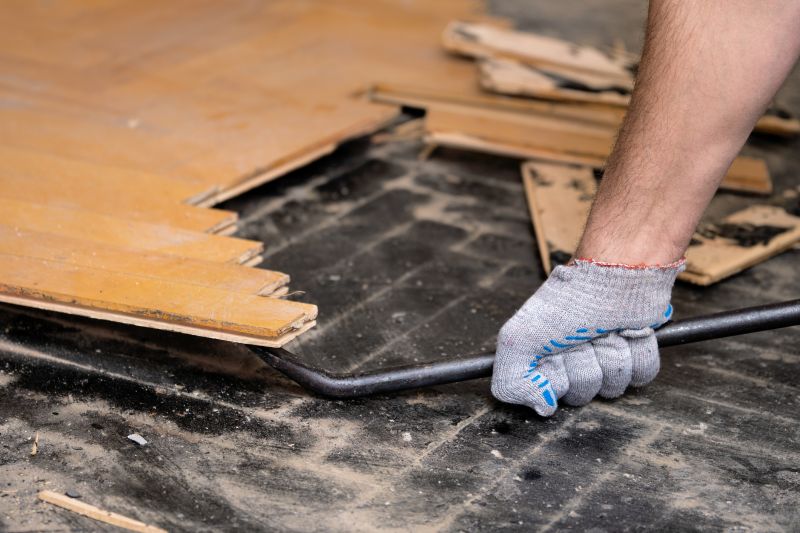
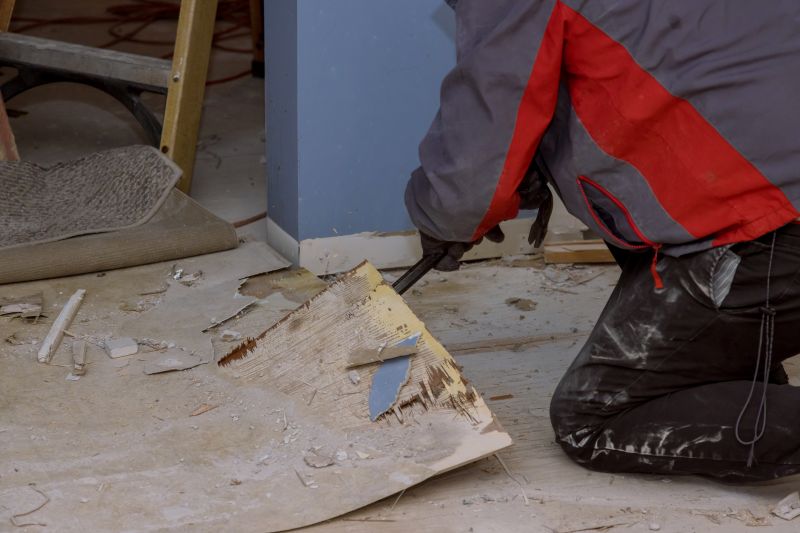
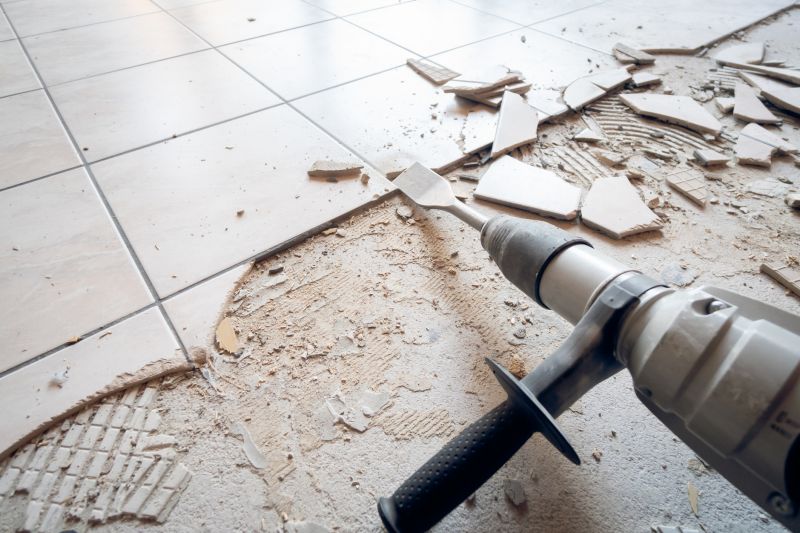
Subfloor demolition services involve removing existing flooring and the underlying subfloor material to prepare a space for new installation or to address underlying issues. This process typically includes carefully tearing out old or damaged subfloor materials, such as plywood, particleboard, or concrete slabs, to create a clean, stable foundation for the next phase of renovation. Skilled contractors use specialized tools and techniques to ensure the removal is thorough without damaging surrounding structures, setting the stage for a durable and level new floor.
This service is often needed when homeowners encounter problems like persistent mold, water damage, or rotting subfloor sections that compromise the integrity of the flooring system. It can also be essential when upgrading to more modern, higher-quality flooring materials or when correcting uneven surfaces that cause discomfort or safety hazards. Removing the old subfloor allows for proper inspection and repair of underlying issues, helping to prevent future problems and ensuring the longevity of the new flooring.
Properties that typically require subfloor demolition include older homes with outdated or deteriorating subfloor materials, residential buildings undergoing extensive remodeling, and commercial spaces needing a fresh start for their flooring systems. In many cases, subfloor removal is part of a larger renovation project aimed at improving safety, comfort, and aesthetics. Whether dealing with water damage from leaks or preparing a space for new flooring installation, local contractors can provide the necessary expertise to handle the job efficiently.
Choosing professional subfloor demolition services ensures the work is done safely and effectively, minimizing the risk of structural issues or future repairs. These experts assess the condition of the existing subfloor, determine the best approach for removal, and manage the entire process with precision. Contacting experienced service providers can help homeowners in Philadelphia, PA, and nearby areas address subfloor problems promptly, paving the way for a stable, attractive, and long-lasting flooring solution.
The overview below groups typical Subfloor Demolition projects into broad ranges so you can see how smaller, mid-sized, and larger jobs often compare in Philadelphia, PA.
In many markets, a large share of routine jobs stays in the lower and middle ranges, while only a smaller percentage of projects moves into the highest bands when the work is more complex or site conditions are harder than average.
Smaller Repairs - For minor subfloor demolition projects, local contractors typically charge between $250 and $600. These jobs often involve removing small sections or damaged areas and are common for routine repairs. Costs can vary based on the size and accessibility of the area.
Moderate Projects - Mid-sized demolition jobs, such as removing entire rooms or large sections, generally range from $1,000 to $3,000. Many projects in this range are typical for homeowners upgrading or replacing subfloors in multiple areas.
Full Subfloor Replacement - Complete removal and replacement of subfloors in larger spaces can cost between $3,500 and $8,000. Larger, more complex projects tend to push into the higher end of this range, especially when additional work is needed for leveling or structural support.
Heavy-Duty or Commercial Jobs - Extensive demolition for commercial properties or multi-room renovations can exceed $10,000, with some larger projects reaching $15,000 or more. These jobs are less common but involve significant planning and labor for complex or multi-phase work.
Actual totals will depend on details like access to the work area, the scope of the project, and the materials selected, so use these as general starting points rather than exact figures.
Concrete Floor Removal - local contractors use similar demolition tools and planning to safely remove old concrete slabs during subfloor replacement projects.
Basement Floor Demolition - professionals often perform basement floor removal that requires precise planning and specialized equipment akin to subfloor demolition tasks.
Old Flooring Removal - removing tile, hardwood, or vinyl flooring involves similar techniques and tools used in subfloor demolition to prepare surfaces for new installations.
Wall and Partition Demolition - tearing down interior walls involves planning and skillsets comparable to subfloor removal, especially in confined spaces.
Deck and Patio Demolition - dismantling outdoor structures shares planning and equipment needs with subfloor demolition, particularly when working with concrete or wood foundations.
Garage Floor Removal - local service providers handle garage slab removal with techniques similar to subfloor demolition to facilitate renovations or repairs.
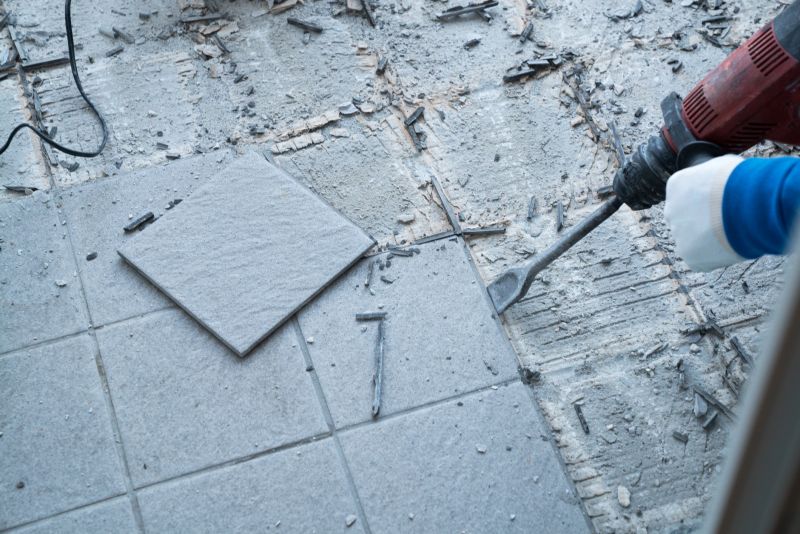
When evaluating contractors for subfloor demolition services, it’s important to consider their experience with projects similar to your own. Homeowners should look for local service providers who have a proven track record in handling subfloor removal, especially in structures comparable to their own homes. Asking about past projects or requesting examples of completed work can help gauge whether a contractor has the necessary background to manage the specific challenges of your job, ensuring a smoother process and a more reliable outcome.
Clear, written expectations are essential when choosing a subfloor demolition contractor. Homeowners should seek detailed estimates or proposals that outline the scope of work, materials to be removed, and any necessary preparations or post-demolition steps. Having this information in writing helps prevent misunderstandings and provides a reference point throughout the project. A reputable local contractor will be transparent about what is included and clarify any questions, fostering a more collaborative and informed working relationship.
Effective communication and reputable references are key indicators of a dependable service provider. Homeowners are encouraged to ask potential contractors for references from past clients, particularly those who had similar projects completed. Listening to feedback from previous customers can reveal insights into the contractor’s professionalism, reliability, and quality of work. Additionally, a contractor’s responsiveness and willingness to answer questions during the initial inquiry phase can give confidence that they will maintain clear communication throughout the project, helping to ensure that expectations are met and issues are addressed promptly.
Property owners in Philadelphia, PA use Subfloor Demolition services for practical projects around their homes and businesses. This guide focuses on everyday jobs and straightforward project options.
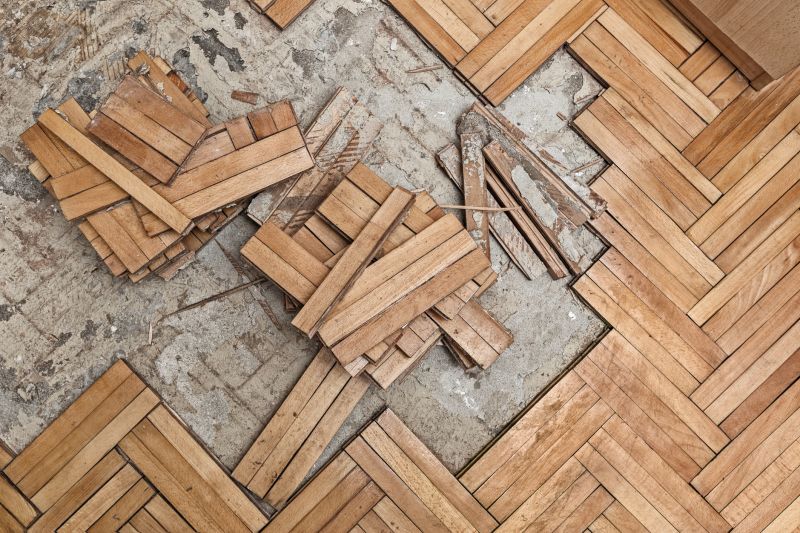
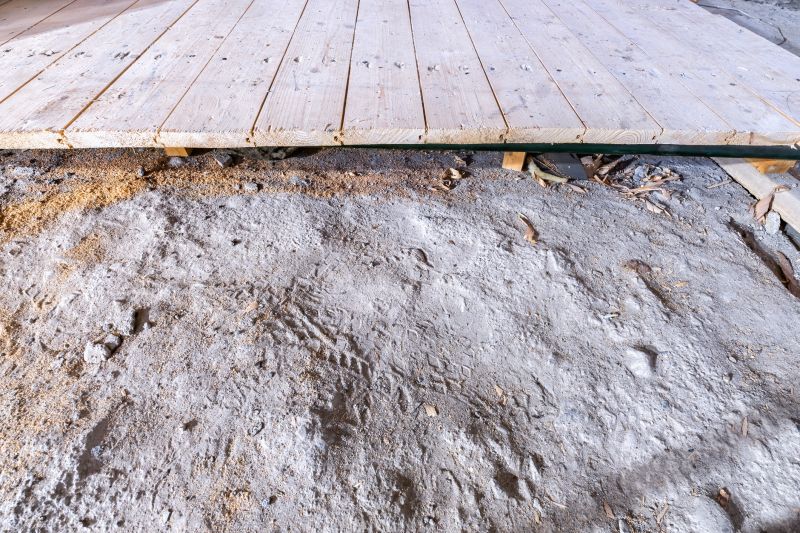
Subfloor demolition services are often needed during home renovation projects, especially when older flooring materials are damaged or no longer meet current standards. Property owners in Philadelphia, PA, might seek out local contractors to remove existing subfloors before installing new flooring, whether upgrading a basement, kitchen, or living space. This work can also be necessary when water damage or mold has compromised the subfloor, requiring professional removal to ensure a safe and stable foundation for the next phase of renovation.
Homeowners planning to upgrade their flooring or address structural issues may turn to local service providers for subfloor demolition. Common situations include preparing a space for new flooring installation, removing damaged or rotting subfloor sections, or dealing with underlying issues uncovered during remodeling. These local contractors can handle the job efficiently, helping property owners restore their floors and improve the overall condition of their homes in Philadelphia and nearby areas.
What is involved in subfloor demolition? Subfloor demolition typically includes removing existing flooring materials, disconnecting and taking out the damaged or outdated subfloor, and preparing the area for new installation by cleaning and leveling the surface.
How do I know if my subfloor needs to be demolished? Signs that subfloor demolition may be necessary include visible water damage, sagging or bouncing floors, mold growth, or extensive rot and deterioration beneath the surface.
Are there different methods for subfloor demolition? Yes, local contractors may use various techniques such as manual removal with hand tools or power equipment, depending on the scope of the job and the type of existing flooring.
What should I consider before hiring a contractor for subfloor demolition? It's important to evaluate their experience with similar projects, request references or reviews, and ensure they will handle the demolition safely and efficiently.
Can subfloor demolition be combined with other flooring services? Yes, many service providers can coordinate subfloor removal with subsequent installation of new flooring, such as hardwood, laminate, or tile, to streamline the renovation process.
Subfloor Removal for Renovations - Property owners planning to upgrade their flooring can hire local contractors to safely demolish existing subfloors, making way for new installations.
Preparing for Moisture Barrier Installation - Homeowners addressing moisture issues can use subfloor demolition services to remove damaged layers before installing vapor barriers or new subflooring.
Foundation Repair Access - When inspecting or repairing foundational issues, property owners may need to remove subfloors to access underlying structures with the help of experienced service providers.
Remodeling Older Homes - Those updating older properties can rely on local contractors to efficiently demolish outdated subfloors, facilitating modern upgrades and improvements.
If you are thinking about Subfloor Demolition for a property in Philadelphia, PA, this guide is meant to help you understand the work, the typical project types, and how different options might fit your plans.
When you are ready, you can use the quote form on this page to share a few details about your project. From there, local pros can review the basics and respond with options that match what you have in mind.